Knowledge
Hydraulic Cylinder Maintenance Guide: Preventing Leaks, Corrosion, and Seal Failure
2026/ 06/ 04
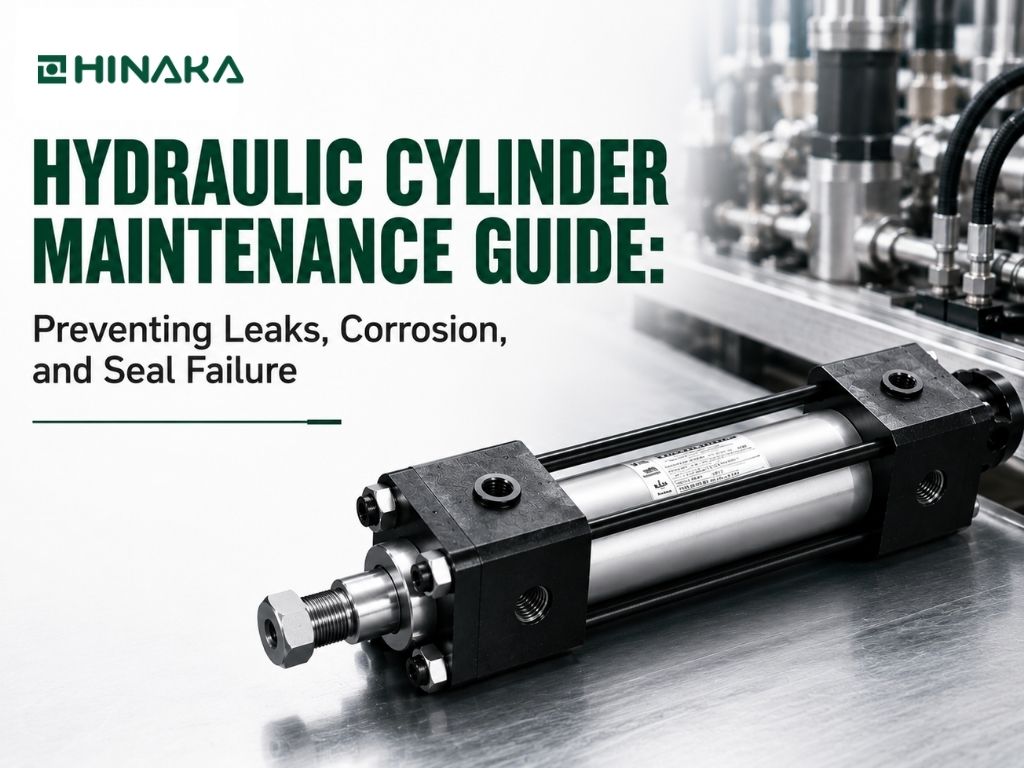
Hydraulic cylinders are among the most critical components in industrial machinery, automation systems, machine tools, and mobile equipment. Their ability to convert hydraulic pressure into powerful linear motion makes them indispensable in applications requiring high force, precise control, and long-term reliability.
Despite their robust construction, hydraulic cylinders are constantly exposed to pressure fluctuations, repetitive motion, contamination, vibration, and environmental conditions that can gradually degrade performance. Many hydraulic cylinder failures do not occur suddenly; instead, they develop over time through seal wear, corrosion, contamination, or improper maintenance practices.
When maintenance is neglected, seemingly minor issues such as a small oil leak or light corrosion can eventually lead to significant downtime, expensive repairs, and reduced production efficiency. Understanding how to identify and prevent these problems is essential for maximizing hydraulic cylinder lifespan and maintaining reliable equipment performance.
At HINAKA, hydraulic cylinders are engineered for durability and long service life. However, even the highest-quality hydraulic cylinder benefits from a structured maintenance program. This guide explains the most common causes of hydraulic cylinder failure and the best practices for preventing leaks, corrosion, and seal damage.
Why Hydraulic Cylinder Maintenance Matters
Many manufacturers view hydraulic cylinders as relatively maintenance-free components. While hydraulic cylinders are designed to operate for long periods under demanding conditions, they are still subject to wear and environmental stress.
A hydraulic cylinder failure rarely affects only the cylinder itself. A leaking cylinder can contaminate surrounding equipment, reduce machine accuracy, increase hydraulic oil consumption, and force unplanned production stoppages. In highly automated manufacturing environments, a single hydraulic component failure may halt an entire production line.
Preventive maintenance offers several advantages:
-
Reduced downtime
-
Lower repair costs
-
Improved machine reliability
-
Extended component life
-
Better production consistency
Rather than waiting for visible failures to occur, maintenance teams should focus on identifying early warning signs before performance begins to deteriorate.
Understanding the Most Common Causes of Hydraulic Cylinder Failure
Successful maintenance begins with understanding why hydraulic cylinders fail in the first place. Although operating conditions vary across industries, most hydraulic cylinder problems can be traced to three major categories: leakage, corrosion, and seal deterioration.
These issues are often interconnected. For example, corrosion on a piston rod can accelerate seal wear, while seal damage may allow contaminants to enter the cylinder and further damage internal components.
By addressing these root causes early, manufacturers can significantly reduce unexpected maintenance events.
Hydraulic Oil Leaks: More Than Just a Mess
Oil leakage is one of the most common hydraulic cylinder problems encountered in industrial equipment. While a small leak may initially appear harmless, it often signals a deeper issue developing within the cylinder assembly.
Hydraulic leaks typically originate from worn seals, damaged rod surfaces, improper alignment, or excessive pressure conditions. As seals lose elasticity or become damaged, they can no longer maintain proper contact with the rod or cylinder bore. This creates leakage paths that allow hydraulic fluid to escape.
Beyond the obvious loss of oil, leakage creates several additional problems. Hydraulic pressure may become unstable, reducing force output and affecting machine performance. Escaping oil can also attract dirt and debris, creating contamination issues around the cylinder and nearby equipment.
Maintenance personnel should investigate even minor leakage immediately. Early intervention is often far less costly than allowing a small leak to develop into a major repair.
Preventing Corrosion Before It Damages Performance
Corrosion remains one of the leading causes of premature hydraulic cylinder failure, particularly in outdoor and harsh industrial environments.
Applications commonly exposed to corrosion include:
-
Construction equipment
-
Marine systems
-
Food processing machinery
-
Chemical plants
-
High-humidity manufacturing facilities
The piston rod is particularly vulnerable because it is continuously exposed to the surrounding environment. Moisture, chemicals, salt, and airborne contaminants can gradually attack the rod surface if protective coatings become damaged.
Once corrosion begins to form, the problem tends to accelerate. Rust pits and surface imperfections act as abrasive points that repeatedly contact the seals during cylinder operation. Over time, seal wear increases dramatically, eventually leading to leakage and pressure loss.
Preventing corrosion requires more than simply cleaning the cylinder occasionally. Effective corrosion prevention includes regular inspection, proper storage practices, environmental protection measures, and timely replacement of damaged components before corrosion becomes severe.
HINAKA hydraulic cylinders utilize hard-chrome plated S45C piston rods to improve resistance to wear and environmental exposure, helping maintain long-term performance in demanding applications.
Why Seal Failure Is Often the Beginning of Major Problems
Hydraulic seals play a critical role in maintaining system pressure and preventing fluid leakage. Although seals are relatively small components, their condition often determines the overall health of the hydraulic cylinder.
Many seal failures develop gradually. Initially, operators may notice only minor oil seepage or slight changes in cylinder performance. Because these symptoms are often subtle, they may be overlooked during daily operation.
As seal wear progresses, more noticeable issues begin to appear:
-
Reduced holding force
-
Slower cylinder movement
-
Increased oil consumption
-
Pressure loss
-
External leakage
Eventually, complete seal failure may occur, resulting in significant downtime and potential damage to other hydraulic components.
A proactive maintenance strategy should treat seals as wear items rather than permanent components. Replacing seals during planned maintenance intervals is often far less expensive than repairing damage caused by catastrophic seal failure.
Inspect Piston Rod Surfaces Regularly
The piston rod is one of the most important areas to inspect during routine maintenance.
Because the rod moves through the sealing system during every operating cycle, its surface condition directly affects seal life. Even small scratches, dents, or corrosion spots can damage seal lips and accelerate wear.
Maintenance personnel should carefully inspect the rod surface for:
-
Scratches
-
Dents
-
Corrosion
-
Chrome plating damage
-
Abnormal discoloration
Particular attention should be paid to equipment operating in outdoor environments or facilities with high levels of dust, moisture, or chemical exposure.
Routine inspections help identify developing problems before they become major causes of leakage or cylinder failure.
Keep Hydraulic Fluid Clean and Contamination-Free
Hydraulic fluid serves not only as a power transmission medium but also as a lubricant and cooling agent. When contamination enters the hydraulic system, it can rapidly damage seals, pistons, bushings, and other precision components.
Common contaminants include dirt, metal particles, water, degraded oil residues, and seal fragments.
Even microscopic contaminants can create wear inside hydraulic components over time. As contamination levels increase, cylinder efficiency declines and component life shortens.
Maintaining fluid cleanliness requires a combination of proper filtration, regular oil analysis, scheduled filter replacement, and careful handling during maintenance procedures.
Clean hydraulic fluid is one of the most effective ways to maximize cylinder lifespan.
Check Alignment and Side Loads
Hydraulic cylinders are primarily designed to handle force along their centerline. Excessive side loading caused by poor alignment can place unnecessary stress on the rod, seals, and guide bushings.
Misalignment often develops gradually through wear in mounting hardware, structural deformation, or improper installation.
Common symptoms include:
-
Uneven seal wear
-
Increased friction
-
Rod scoring
-
Reduced cylinder efficiency
-
Premature leakage
Regular inspection of mounting components and cylinder alignment helps prevent these issues and ensures smooth operation throughout the cylinder's service life.
Build a Preventive Maintenance Program
The most effective maintenance strategy is preventive rather than reactive.
Rather than waiting for failure to occur, maintenance teams should establish inspection intervals based on operating conditions, cycle frequency, and equipment criticality.
A preventive maintenance program typically includes:
Daily Checks
-
Inspect for visible leakage
-
Check rod cleanliness
-
Observe abnormal movement or noise
Monthly Inspections
-
Examine rod surface condition
-
Verify mounting integrity
-
Check for early signs of seal wear
Scheduled Maintenance
-
Replace worn seals
-
Inspect internal components
-
Evaluate hydraulic fluid condition
-
Verify overall cylinder performance
A structured maintenance approach significantly reduces unexpected downtime and improves long-term equipment reliability.
HINAKA Hydraulic Cylinders Designed for Long-Term Reliability
HINAKA offers hydraulic cylinder solutions for industrial automation, machine tools, and heavy-duty equipment applications.
Our hydraulic cylinder lineup includes:
15B Series (JIS Standard, 14 MPa)
Designed for higher-pressure industrial applications with durable construction, honed or SUS304 cylinder tubes, and hard-chrome plated S45C piston rods.
5H Series (JIS Standard, 5 MPa)
Reliable medium-pressure hydraulic cylinders suitable for a wide range of industrial machinery and automation equipment.
HJ2 Series Compact Hydraulic Cylinders
Compact hydraulic cylinders designed for applications where installation space is limited while maintaining dependable hydraulic performance.
When combined with proper maintenance practices, these hydraulic cylinder series are designed to provide long service life and reliable operation in demanding industrial environments.
Frequently Asked Questions (FAQ)
How often should hydraulic cylinder seals be replaced?
Replacement intervals depend on pressure levels, operating environment, and cycle frequency. Regular inspections help determine the appropriate maintenance schedule.
What causes hydraulic cylinder leaks most often?
The most common causes include worn seals, rod damage, contamination, excessive pressure, and cylinder misalignment.
Can corrosion damage hydraulic cylinder seals?
Yes. Corrosion creates rough surfaces that accelerate seal wear and increase the likelihood of leakage.
Why is hydraulic fluid cleanliness important?
Contaminated fluid can damage seals, internal cylinder surfaces, and hydraulic system components, significantly reducing equipment life.
How can I extend the life of a hydraulic cylinder?
Regular inspections, clean hydraulic fluid, proper alignment, corrosion prevention, and timely seal replacement are among the most effective ways to maximize cylinder lifespan.
Conclusion
Hydraulic cylinders are designed for demanding industrial applications, but their long-term reliability depends heavily on proper maintenance. By focusing on leak prevention, corrosion control, seal condition monitoring, fluid cleanliness, and alignment verification, manufacturers can significantly reduce downtime and extend equipment service life.
A well-planned maintenance program not only protects the hydraulic cylinder itself but also improves the performance and reliability of the entire hydraulic system.
If you are looking for durable hydraulic cylinder solutions or need assistance selecting the right cylinder for your application, HINAKA's engineering team is ready to help. Contact us for technical consultation and product recommendations tailored to your operational requirements.
Contact us:
https://www.hinakaorg.com/en-US/contact
Recent Article
- Key Factors When Selecting High Force Pneumatic Cylinders for Automation Systems
- The Role of Hydraulic Cylinders in Precision Manufacturing and Robotics
- Comparing Air Hydraulic Unclamping Cylinders and Mechanical Clamping Systems
- Hydraulic Cylinders in Heavy-Load Automation: Designing for High Force and Long Service Life
- Selecting Hydraulic Cylinders for Mobile Machinery: Shock, Vibration, and Contamination Challenges