Knowledge
Selecting Hydraulic Cylinders for Mobile Machinery: Shock, Vibration, and Contamination Challenges
2026/ 01/ 23
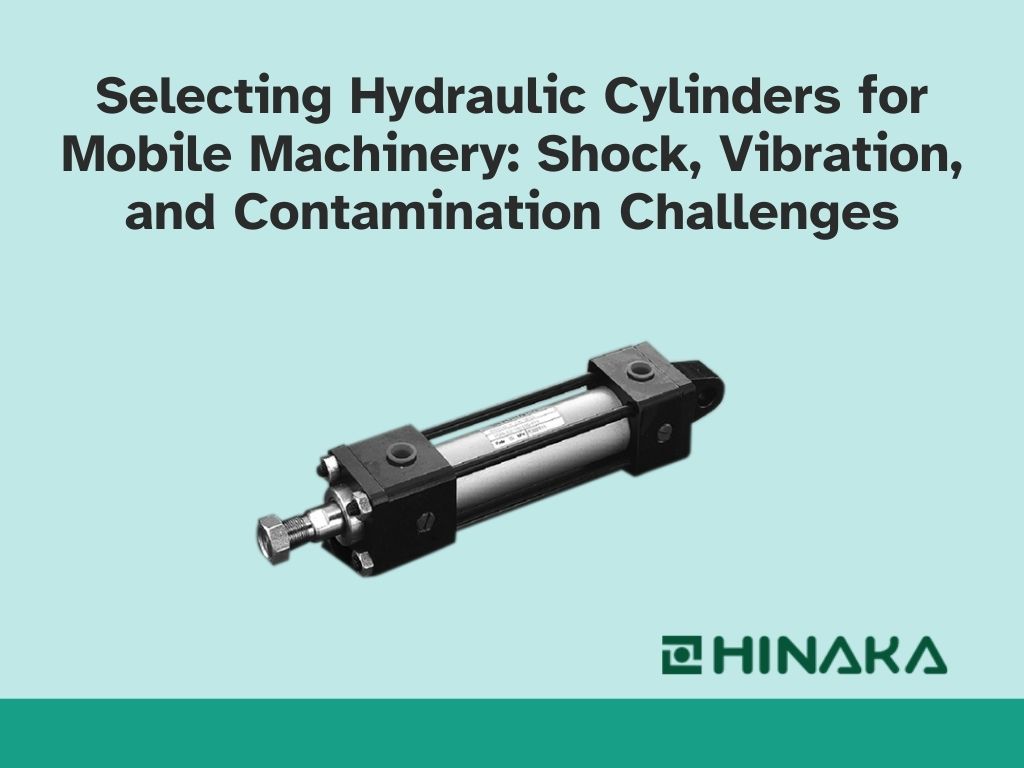
Hydraulic cylinders are the backbone of mobile machinery. From construction equipment and agricultural vehicles to material handling machines and lifting systems, hydraulic cylinders provide the high force and durability required for heavy-duty motion control. However, unlike stationary industrial systems, mobile hydraulic applications face harsh operating conditions that significantly impact cylinder performance and service life.
Shock loads, continuous vibration, dust contamination, moisture, and fluctuating operating pressures all place additional stress on hydraulic cylinders. Selecting the right cylinder design for mobile machinery is therefore essential to ensure safety, reliability, and long-term operational stability.
At HINAKA, we engineer hydraulic cylinder solutions designed to withstand demanding mobile environments. This article explains the key challenges faced in mobile applications and the design considerations required to select the right hydraulic cylinders for these conditions.
Operating Challenges in Mobile Hydraulic Applications
1. Shock Loads and Impact Forces
Mobile machinery frequently encounters sudden load changes. Excavators hitting hard ground, forklifts lifting uneven loads, or aerial platforms experiencing abrupt stops all generate impact forces that transfer directly into the hydraulic cylinder.
If the cylinder structure or cushioning system is not designed to absorb these shocks, the result can be:
- Bent piston rods
- Cracked end caps
- Seal extrusion or leakage
- Premature bearing wear
Hydraulic cylinders for mobile machinery must therefore include reinforced structures and properly designed shock-absorbing features.
2. Continuous Vibration
Unlike fixed factory installations, mobile equipment operates on uneven terrain and constantly experiences vibration from engines, tracks, and road surfaces. Over time, vibration can cause:
- Loosening of mounting joints
- Accelerated wear of rod bearings
- Micro-movements leading to seal damage
- Fatigue in welded cylinder mounts
Selecting hydraulic cylinders with rigid mounting interfaces and reinforced bushing structures is critical for maintaining long-term stability.
3. Dust, Mud, and Environmental Contamination
Mobile machinery often operates outdoors in environments filled with dust, soil, sand, and moisture. These contaminants can enter the cylinder through the rod area and quickly damage internal components.
Common risks include:
- Scratched piston rods
- Abrasive wear on seals
- Internal oil contamination
- Increased friction and heat buildup
Hydraulic cylinders designed for mobile use should incorporate effective sealing and rod protection features to extend service life in contaminated environments.
4. Temperature Fluctuation and Weather Exposure
Mobile equipment may operate in extreme heat, freezing temperatures, or high humidity. Temperature changes affect oil viscosity, seal elasticity, and material expansion.
A mobile hydraulic cylinder must therefore use suitable seal materials and corrosion-resistant surface treatments to ensure stable performance across changing weather conditions.
5. Pressure Spikes and Load Variations
Mobile hydraulic systems often experience rapid pressure changes depending on load conditions. Sudden pressure spikes can stress internal seals and structural components.
Well-designed hydraulic cylinders should include:
- High safety factors in cylinder tube strength
- Precision-machined sealing structures
- Controlled clearances to prevent seal extrusion
- Proper selection of relief valves in system design
These measures help protect cylinders from unexpected overload events.
Key Design Considerations When Selecting Hydraulic Cylinders for Mobile Machinery
To ensure reliable operation, engineers should evaluate:
- Required load capacity and maximum operating pressure
- Stroke length and mounting configuration
- Expected shock and vibration levels
- Environmental contamination exposure
- Temperature range and weather conditions
- Service and maintenance accessibility
Balancing these factors helps avoid premature failures and reduces total ownership cost.
HINAKA Hydraulic Cylinders for Demanding Mobile Applications
HINAKA offers multiple hydraulic cylinder series designed for mobile machinery and industrial equipment operating under demanding conditions.
15B Series (14 MPa, JIS Standard)
High-pressure JIS-standard hydraulic cylinders featuring robust steel construction, SUS304 or honed steel tubes, and hard-chrome plated S45C piston rods for strength and wear resistance.
5H Series (5 MPa, JIS Standard)
Medium-pressure JIS-standard cylinders with carbon steel body structure and hard-chrome plated S45C rods, suitable for general industrial and mobile hydraulic applications.
HJ2 Series (3.5 MPa, Compact Type)
Compact hydraulic cylinders with slim body design, carbon steel construction, and S45C piston rods, ideal for space-constrained hydraulic systems.
These product lines allow HINAKA hydraulic cylinders to support construction machinery, agricultural equipment, lifting platforms, and transport systems requiring reliable force output and durable operation.
Frequently Asked Questions (FAQ)
Q1: What makes hydraulic cylinders for mobile machinery different from standard industrial cylinders?
Hydraulic cylinders for mobile machinery must withstand shock loads, continuous vibration, outdoor contamination, and fluctuating pressures. They typically require reinforced structures and durable sealing designs beyond standard industrial cylinders.
Q2: How do I protect hydraulic cylinders from dust and mud in outdoor equipment?
Cylinders used in outdoor equipment should incorporate effective rod sealing and surface protection features to prevent contamination ingress and extend service life.
Q3: Are standard seal materials suitable for mobile hydraulic cylinders?
Not always. Mobile machinery experiences wide temperature swings and pressure variations. Seal materials must be selected to maintain elasticity and durability across operating conditions.
Q4: How can hydraulic cylinders handle vibration without premature wear?
Vibration-resistant designs use reinforced guide structures and rigid mounting interfaces to prevent micro-movements that lead to seal damage and rod misalignment.
Q5: What should be considered when selecting mounting styles for mobile hydraulic cylinders?
Mounting styles must accommodate load direction, shock forces, and frame flexibility. Proper mounting selection helps reduce stress concentration and extend cylinder service life.
Q6: Can hydraulic cylinders for mobile machinery be customized?
Yes. Stroke length, mounting type, rod diameter, seal package, and surface treatments can all be customized to match specific mobile equipment requirements.
Conclusion
Mobile machinery places hydraulic cylinders under far more severe conditions than stationary systems. Shock loads, vibration, contamination, and weather exposure all demand specialized cylinder designs beyond basic industrial specifications.
By selecting hydraulic cylinders engineered for mobile environments, equipment manufacturers can improve machine reliability, reduce downtime, and extend service life. With extensive experience in fluid power engineering, HINAKA provides hydraulic cylinder solutions built to perform in the toughest mobile applications.
If you are designing or upgrading mobile hydraulic equipment, HINAKA’s engineering team can help you select the most suitable hydraulic cylinder configuration for your operating conditions.
Learn more about our hydraulic cylinder series or contact us for technical consultation and customized solutions.
Recent Article
- Hydraulic Cylinder Maintenance Guide: Preventing Leaks, Corrosion, and Seal Failure
- Key Factors When Selecting High Force Pneumatic Cylinders for Automation Systems
- The Role of Hydraulic Cylinders in Precision Manufacturing and Robotics
- Comparing Air Hydraulic Unclamping Cylinders and Mechanical Clamping Systems
- Hydraulic Cylinders in Heavy-Load Automation: Designing for High Force and Long Service Life