Knowledge
Hydraulic Cylinders for Harsh Environments: Materials, Seals, and Design Considerations
2025/ 07/ 21
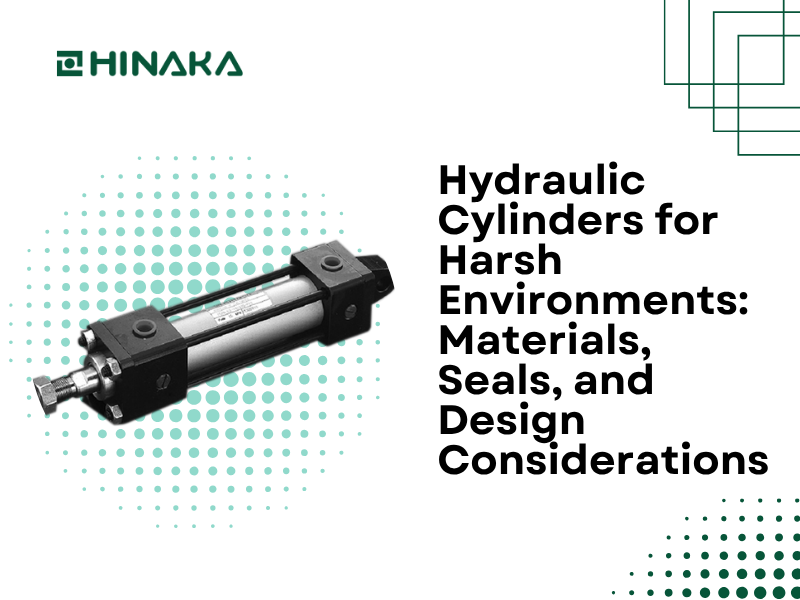
In industries such as construction, offshore drilling, mining, and steel manufacturing, equipment must operate reliably in extreme environments—ranging from high pressure and corrosive atmospheres to heavy contamination and temperature fluctuations. Among the critical components exposed to these harsh conditions are hydraulic cylinders, which convert fluid pressure into mechanical force to drive essential operations.
To ensure long-term performance and safety, hydraulic cylinders for harsh environments must be engineered with specialized materials, robust sealing systems, and thoughtful design features. This article explores the key considerations manufacturers should keep in mind when selecting or specifying hydraulic cylinders for these demanding applications.
1. Environmental Stressors that Affect Hydraulic Cylinder Performance
Hydraulic cylinders deployed in rugged environments are frequently exposed to:
- Abrasive contaminants (e.g., sand, mud, dust, metal shavings)
- Corrosive agents such as saltwater, chemicals, or high-moisture conditions
- Extreme temperatures, both hot and cold
- High-frequency usage with heavy loads or side loads
- Pressure spikes and rapid cycling
These factors can lead to seal failure, corrosion, rod scoring, leakage, or total system breakdown if not properly addressed through design and material selection.
2. Advanced Seal Technology for Leak Prevention
The sealing system is the first line of defense for a hydraulic cylinder. In harsh applications, standard seals often fail prematurely. Advanced seals must:
- Resist wear and extrusion under high pressure and side loads
- Tolerate extreme temperatures without hardening or softening
- Provide excellent chemical resistance
- Maintain low friction for smooth operation
Common materials used for heavy-duty cylinder seals include polyurethane, nitrile (NBR), Viton (FKM), and PTFE composites. Double-lip seals, wipers, and rod scrapers are often added to prevent contaminant ingress and prolong service intervals.
3. Robust Materials and Surface Treatments
The selection of materials for cylinder components significantly influences durability. In harsh environments, common material considerations include:
- Stainless steel (304/316) for excellent corrosion resistance in marine or chemical settings
- Hard-chrome plated carbon steel for general industrial and mobile equipment use
- Nickel or ceramic coatings for extreme wear and corrosion resistance
- Composite rods or coatings in specific high-contaminant or abrasive settings
While each material has its advantages depending on the operating environment, it’s essential to match the material’s properties with the specific risks posed by the application.
4. Engineering Design for Stability and Protection
Beyond seals and materials, the structural design of the cylinder plays a major role in resisting external stresses. Important design elements include:
- Rod wipers and bellows to block debris
- Oversized bearings and guides for handling side loads and preventing rod misalignment
- Cushioning systems to reduce impact and vibration at stroke ends
- Drainage and venting designs for use in underwater or high-humidity conditions
- Built-in mounting configurations that minimize stress on cylinder ends
By anticipating potential failure points in the field, well-designed hydraulic cylinders can maintain performance longer and minimize downtime.
5. Maintenance, Inspection, and Lifecycle Optimization
Even the best-designed cylinders can fail without regular maintenance. In challenging environments, preventive inspection becomes more critical. Users should:
- Inspect seals and rods for wear, scoring, or corrosion
- Monitor for internal or external fluid leakage
- Check alignment and mounting bolts regularly
- Use filtered and conditioned hydraulic fluids
- Record cylinder cycle counts and performance deviations
Designing cylinders for easy disassembly, accessible seals, and integrated sensor monitoring can streamline maintenance and extend operational life.
HINAKA’s Hydraulic Cylinders: Built for Demanding Conditions
As a trusted manufacturer of high-performance pneumatic and hydraulic components, HINAKA understands the unique design demands these harsh environments place on hydraulic actuators. We apply strict engineering principles and high-grade materials to ensure our cylinders can endure the most demanding industrial conditions.
All of our hydraulic cylinders are built with S45C medium carbon steel piston rods, finished with hard chrome plating and polished to a mirror-class surface. This standard ensures long-lasting performance in environments prone to abrasion, pressure surges, and fluid contamination.
Whether you operate in steel processing, heavy machinery, or precision equipment, our team can help you select the right solution to reduce wear, extend maintenance cycles, and optimize system output.
→ Contact HINAKA today to learn how our hydraulic cylinders can be customized to your environment or explore our product range for more details.
Recent Article
- Hydraulic Cylinder Maintenance Guide: Preventing Leaks, Corrosion, and Seal Failure
- Key Factors When Selecting High Force Pneumatic Cylinders for Automation Systems
- The Role of Hydraulic Cylinders in Precision Manufacturing and Robotics
- Comparing Air Hydraulic Unclamping Cylinders and Mechanical Clamping Systems
- Hydraulic Cylinders in Heavy-Load Automation: Designing for High Force and Long Service Life