Knowledge
Top 5 Signs Your Equipment Needs an Air Hydraulic Unclamping Cylinder Upgrade
2025/ 09/ 19
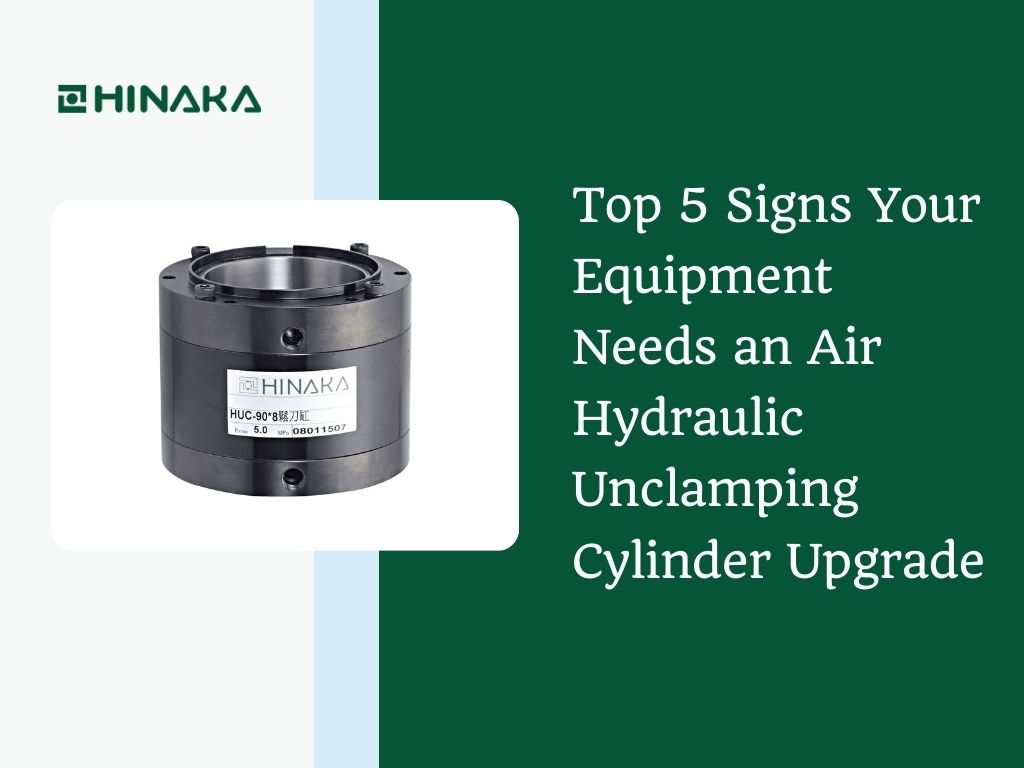
In today’s fast-paced manufacturing and machining industries, air hydraulic unclamping cylinders play a crucial role in ensuring efficient tool changes, reliable clamping, and overall system stability. However, like all mechanical components, these cylinders experience wear and tear over time. Knowing when it’s time for an upgrade can save your facility from unexpected downtime, costly repairs, and reduced productivity.
Here are the top 5 signs that indicate your equipment may need an air hydraulic unclamping cylinder upgrade.
1. Slower Tool Change Cycles
One of the earliest warning signs is a noticeable slowdown in tool change speed. Air hydraulic unclamping cylinders are designed to deliver fast and precise actuation. When performance degrades, cycle times increase, directly impacting production efficiency.
- Possible causes: worn seals, insufficient pressure boosting, or internal leakage.
- Impact: bottlenecks on high-speed production lines and reduced throughput.
- Solution: Upgrading to a modern cylinder with an enlarged air/oil outlet design can restore fast, reliable tool changing.
2. Frequent Oil Leaks or Pressure Drops
If you notice oil leakage or a recurring drop in hydraulic pressure, it’s a strong sign the cylinder is no longer performing optimally. These issues may stem from seal wear, internal corrosion, or improper oil-air balance.
- Impact: inconsistent clamping force, higher maintenance costs, and potential safety hazards.
- Solution: New-generation air hydraulic unclamping cylinders are equipped with high-endurance seals that reduce oil consumption, resist leaks, and ensure long-term stability.
3. Increased Maintenance and Unplanned Downtime
Are technicians spending more time servicing your unclamping cylinder than operating it? Increased downtime is a red flag that the cylinder is reaching the end of its effective service life.
- Impact: higher operational costs, loss of production time, and reduced machine utilization.
- Solution: Upgrading to a model with corrosion-resistant materials and optimized design not only reduces maintenance frequency but also extends service intervals, keeping your machines running longer.
4. Reduced Clamping Precision and Reliability
Air hydraulic unclamping cylinders must deliver consistent clamping force for secure and precise tool holding. If your equipment struggles to maintain accuracy or shows signs of clamping instability, it could compromise machining quality.
- Impact: poor product tolerances, increased scrap rates, and higher risk of tool slippage.
- Solution: Modern cylinders feature rotation resistance mechanisms and integrated sensors that improve accuracy and make adjustments easier, ensuring reliable operation even in high-demand environments.
5. Compatibility Issues with Modern Systems
With Industry 4.0 and advanced automation on the rise, outdated unclamping cylinders may not integrate seamlessly with newer CNC systems or monitoring solutions. If your current equipment lacks compatibility with sensors, monitoring software, or higher-capacity boosters, it may be limiting your production capabilities.
- Impact: missed opportunities for predictive maintenance, inability to support smart factory integration.
- Solution: Upgrading to cylinders designed for modern automation ensures compliance with today’s technology standards and future-proofs your production line.
Why Upgrading Matters
An upgrade isn’t just about fixing issues—it’s about unlocking new potential. By transitioning to advanced air hydraulic unclamping cylinders, businesses benefit from:
- Faster and more consistent tool changes
- Longer service life with minimal maintenance
- Reduced downtime and operating costs
- Compatibility with smart factory requirements
HINAKA’s Air Hydraulic Unclamping Cylinder Solutions
At HINAKA, we design and manufacture high-quality pneumatic and hydraulic components for industries worldwide. Our HUC Series Air Hydraulic Tool Change Unclamping Cylinders are built to address the challenges mentioned above:
- Enlarged air/oil outlet for faster tool changing
- High-endurance seals with low oil consumption
- Rust- and corrosion-resistant cylinder bodies and rods
- Optional sensors for advanced monitoring and adjustment
- Designed for use with or without coolant thru spindle (CTS)
With decades of expertise and over 100 patented product designs, we are committed to delivering solutions that enhance precision, durability, and efficiency.
Conclusion
Recognizing the early warning signs of air hydraulic unclamping cylinder failure can save manufacturers significant time and cost. If your equipment shows any of these five signs—slower tool change cycles, oil leaks, frequent downtime, reduced precision, or integration issues—it may be time for an upgrade.
At HINAKA, we provide advanced unclamping cylinders engineered to meet the evolving demands of modern industries. → Contact us today to discuss how our solutions can help keep your operations running efficiently and reliably.
Frequently Asked Questions (FAQ)
Q1: How long does an air hydraulic unclamping cylinder typically last?
The lifespan depends on usage frequency, operating conditions, and maintenance practices. With high-quality seals and corrosion-resistant materials, modern cylinders can last for years with minimal servicing.
Q2: Can I retrofit a new unclamping cylinder into my existing CNC system?
Yes. Many cylinders, such as HINAKA’s HUC Series, are designed to integrate seamlessly with existing CNC machines. Compatibility with coolant thru spindle (CTS) and flexible mounting options make retrofitting straightforward.
Q3: What maintenance is required for air hydraulic unclamping cylinders?
Routine inspection for seal wear, oil level checks, and ensuring proper air supply quality are recommended. Using cylinders with high-endurance seals and smart sensors can reduce maintenance frequency significantly.
Q4: How do I know which model is right for my application?
The correct choice depends on factors such as clamping force, speed requirements, available air/hydraulic pressure, and whether coolant thru spindle is used. Consulting with manufacturers like HINAKA ensures you select the optimal cylinder.
Q5: What are the main benefits of upgrading to a new air hydraulic unclamping cylinder?
Key benefits include faster tool changes, reduced oil consumption, longer service intervals, improved clamping reliability, and integration with modern smart factory systems.
Recent Article
- Hydraulic Cylinder Maintenance Guide: Preventing Leaks, Corrosion, and Seal Failure
- Key Factors When Selecting High Force Pneumatic Cylinders for Automation Systems
- The Role of Hydraulic Cylinders in Precision Manufacturing and Robotics
- Comparing Air Hydraulic Unclamping Cylinders and Mechanical Clamping Systems
- Hydraulic Cylinders in Heavy-Load Automation: Designing for High Force and Long Service Life